
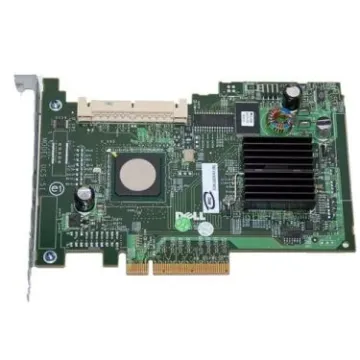
SAS & SATA Controller
-
-
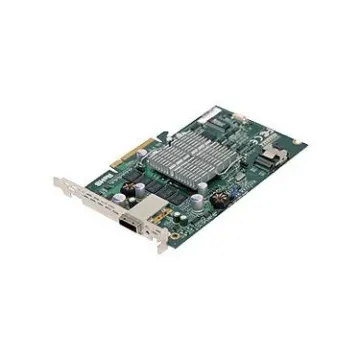
-
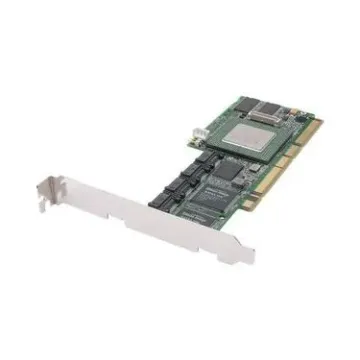
2083700-int
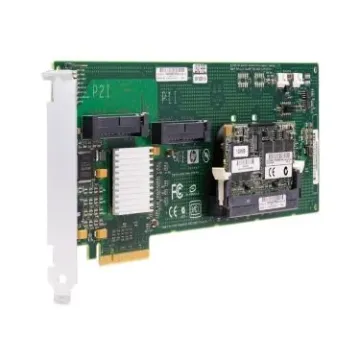
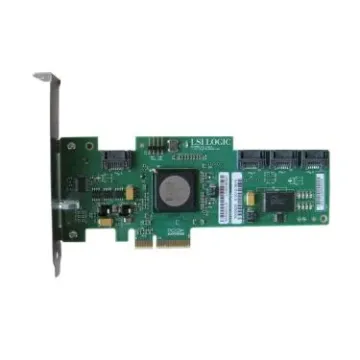
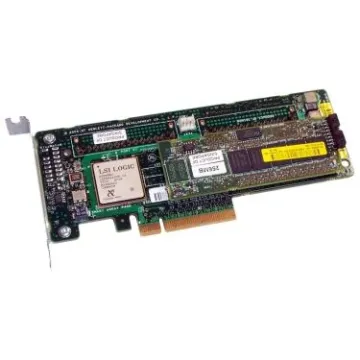
2083700-int - Adaptec 4-Ports 64-Bit 64MB Cache RAID Controller Card
$349.22
Add to Cart -
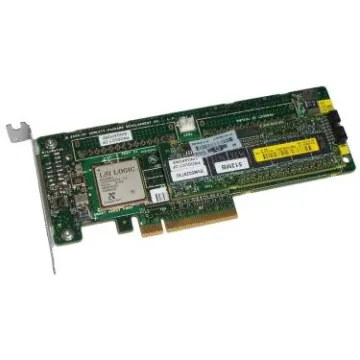
-

-
-
-
-
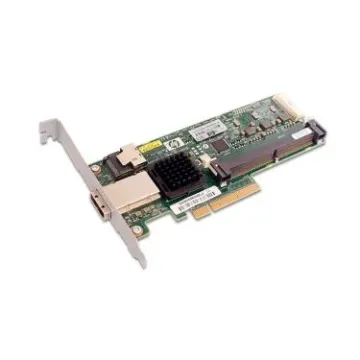
2083700-int - Adaptec 4-Ports 64-Bit 64MB Cache RAID Controller Card
$349.22
Add to Cart
Motherboard chipsets rely on the main CPU to handle RAID calculations. This “software RAID” approach creates latency, slows down application performance, and increases thermal load on the processor. Installing a dedicated SAS controller card with a RAID-on-Chip (ROC) processor offloads all parity calculations and striping logic directly onto the card.
This hardware-level architecture drastically improves input/output operations per second (IOPS) while freeing your server’s resources for critical applications. This is a key component in our Storage Peripherals lineup for maximizing server uptime and reducing CPU overhead in data-intensive environments.
Choosing between hardware RAID and an HBA depends entirely on your operating system and storage software. The technical breakdown of each use case is shown below:
Select your card mode with your software- Select hardware RAID with traditional servers; select software-defined storage environments with direct disk access, use IT mode (HBA).
The enterprise storage market is based on a few well-known OEMs, who all have a different engineering agenda. The LSI SAS controller (now Broadcom/Avago) is at the head and tail of the bus as the "generic engine" - most Dell, HP, and IBM cards actually rebrand LSI as its MegaRAID firmware is the standard for stability.
For system integration:
They are designed to work with proprietary backplanes, iDRAC or iLO remote management software.
Meanwhile:
These are validated for high-transaction database servers, with signal integrity for high-density 2U chassis.
Enterprise RAID cards accelerate writes using onboard DDR memory as a cache. However, volatile RAM loses data during a sudden outage. A Battery Backup Unit (BBU) or Flash-Based Backup (FBWC) bridges this gap.
The BBU keeps cache memory powered long enough to flush pending writes to persistent storage once power returns. For mission-critical arrays, never deploy a cache-backed storage RAID controller without a charged BBU or supercapacitor module; otherwise, you risk data corruption during unexpected shutdowns.