
- Fast & Tracked US Shipping On All Full Systems
- Cheapest Worldwide Delivery Rates Anywhere
- Sign in
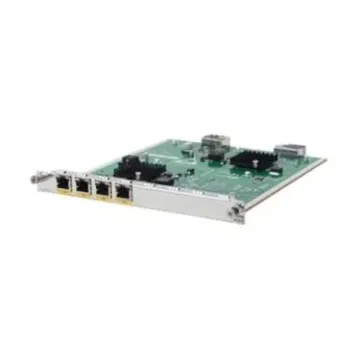
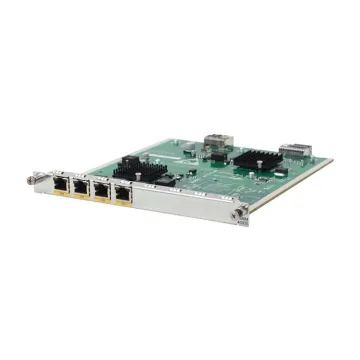
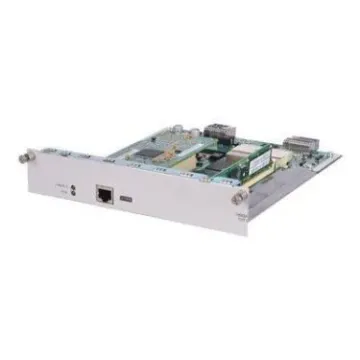

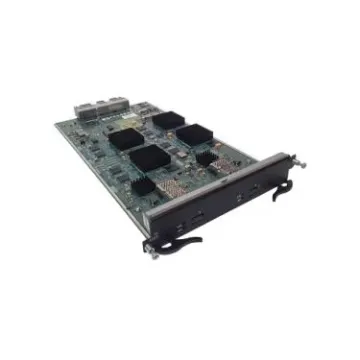
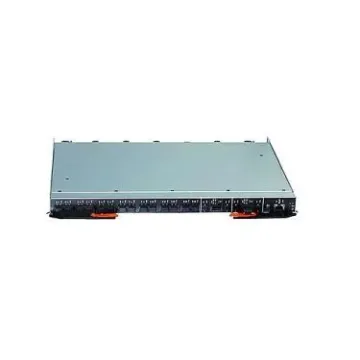
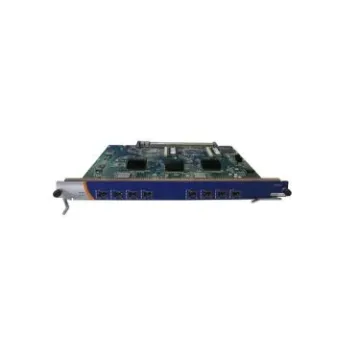
Buy Switch Modules to Expand Network Capability
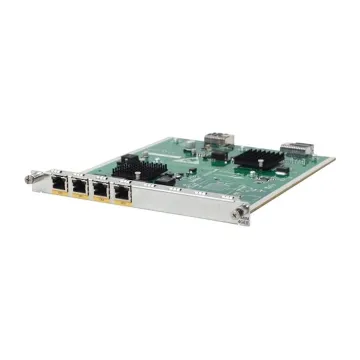
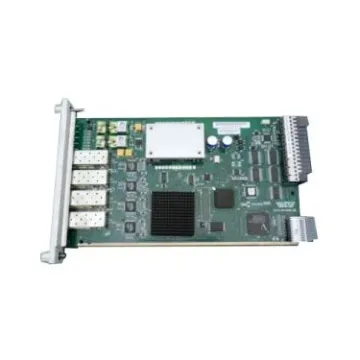
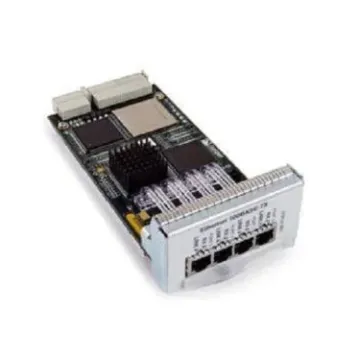
Buy switch modules to upgrade your current infrastructure without having to buy new systems. Companies that use scalable networking systems know that upgrades need not necessarily involve investment in new hardware. Rather, new switch modules enable organizations to add new features that include fiber connection, fast uplink, and stacking. With the right approach, firms can upgrade their current network switches by using a modular upgrade to lengthen their life cycle. This will not only save money but will also make the network expansion effective and future-proof, as it will integrate well with existing setups.
Flexibility with Modular Switch Components
The modern networks require flexibility, and this is where modular architectures have an obvious edge. A switch expansion module allows businesses to adjust their network by changing the specifications based on their changing needs, as opposed to depending on fixed configurations. This scalability helps IT teams to react swiftly to traffic, bandwidth, or connectivity necessities.
With modular switch components, organizations can add or replace specific functionalities without disrupting the entire system. For example, a company might begin with a simple copper-based configuration and later integrate fiber ports for long-distance communication. Similarly, higher-speed interfaces can be introduced as data demands grow.
The modular design can further be upgraded in stages, hence aiding in budget management. Companies do not need huge initial investments, and instead, they can move towards new systems over time. Consequently, modular switches are a viable option to businesses that want to maintain a balance of performance, scalability, and cost-efficiency in dynamic network environments.
Types of Switch Interface Modules
Network hardware is designed to utilize several slot configurations to enable users to tailor performance with the appropriate switch interface module to the operational requirements.
-
Uplink Modules (SFP/SFP+): These are modules that are used to provide high speed fiber connectivity, such that switches are able to communicate over long distances. They are best used to connect two or more buildings or to join various network layers in an effective way.
-
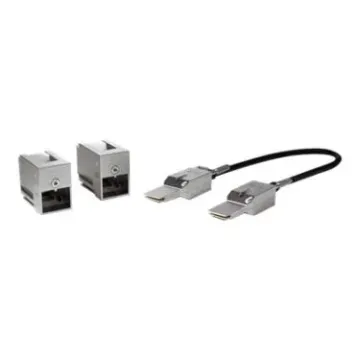
Stacking Modules: Serving to combine some switches, stacking modules form a single system that manages in one interface. This enhances bandwidth, ease of administration, and redundancy within the network infrastructure.
-
Power Supply Modules: These modules add redundancy by acting as backup power sources. If the primary power supply fails, the redundant module ensures continuous operation, minimizing downtime and protecting critical network functions.
To explore compatible accessories and supporting hardware, browse all networking devices to find suitable cables and transceivers. Choosing the correct modules ensures optimal performance, reliability, and long-term scalability for your network setup.
Compatibility: Cisco, Juniper, HP, Dell, and Huawei
In choosing expansion hardware, compatibility is important since most expansion modules are platform-specific. A Cisco switch module is normally designed to operate with Cisco chassis only to provide stability, firmware compatibility, and consistent performance. Equally, a Juniper switch module is specialized to Juniper systems, which has a smooth integration and predictable performance within an enterprise setting.
Conversely, other vendors, such as HP and Dell, tend to offer more flexible solutions. The HP switch module can cater to a wider range of configurations in its ecosystem, and therefore, it can be used in campus networks where there is a need to expand it flexibly. Similarly, a Dell switch module is intended to provide scalability when used in both enterprise and data center environments, with a balance between compatibility and performance.
In high-density networking scenarios, a Huawei switch module is an excellent choice and has advanced fiber features. The modules are typically applicable in carrier-grade systems where performance, density, and reliability are paramount. Being aware of these compatibility variations will enable businesses to avoid integration problems and to achieve optimal network performance.
Why Buy From BulkDevices?
BulkDevices offers a comprehensive selection of both new and refurbished switch modules to meet diverse networking needs. Whether upgrading current systems or maintaining legacy equipment, customers can find reliable solutions tailored to their infrastructure. Refurbished options support end-of-life hardware, while new modules ensure compatibility with modern expansions, delivering both performance and value.
FAQ
Can I hot-swap switch modules?
Most enterprise-grade modules are designed to be hot-swappable, allowing installation or removal while the switch remains powered on. This feature minimizes downtime and ensures uninterrupted network operations. However, it is essential to review the manufacturer’s datasheet to confirm compatibility and supported procedures before making changes.
Are modules universal across brands?
No, switch modules are not universal. They are specifically engineered for particular chassis models and manufacturers. For example, a Cisco Catalyst module will not function in a Dell PowerConnect switch. Always verify compatibility with your existing hardware before purchasing any module.
What is a transceiver module?
A transceiver module is a compact device, such as an SFP, that plugs into a switch module to enable communication over fiber or copper cables. It converts electrical signals into optical signals and vice versa, facilitating reliable data transmission across network connections.