Media Converters

Buy Media Converters to Extend Network Distance

Buy media converters from BulkDevices will make you go beyond the 100 meter distance restriction of copper Ethernet cables and complete long-distance connections. Without the proper equipment, the signal becomes weak if the offices, cameras, or control panel are relocated beyond the range. A fiber-to-Ethernet converter allows copper equipment to easily interface with high-speed fiber networks, thereby extending communication distances to kilometers. Using BulkDevices, companies can easily expand their network without affecting performance, scalability, and reliability.

Bridging Copper and Fiber Networks

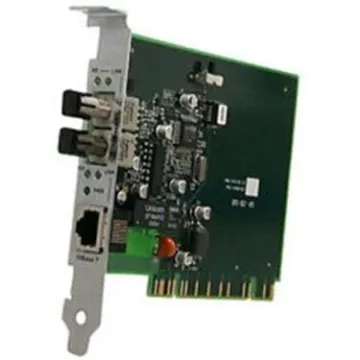
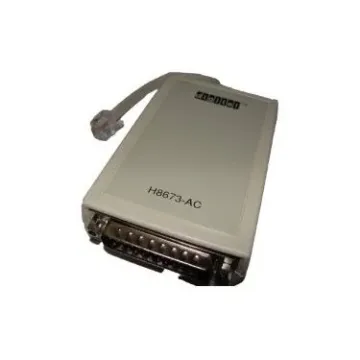
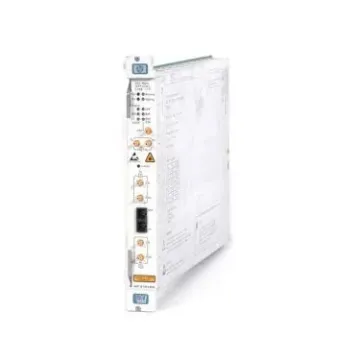
A network media converter is a translator device that converts electrical signals (copper) to light (fiber optic) and vice versa. It usually has an RJ45 Ethernet port on one end and a port to connect to fiber optic cables on the other, providing seamless compatibility between older equipment and new fiber optic networks. This feature is crucial for companies seeking to upgrade their infrastructure without replacing switches and devices.

Rather than having to completely re-architect the network, companies can introduce fiber progressively, enhancing connectivity and performance without breaking the bank. For example, you can extend backbone connectivity between buildings or floors without touching edge devices. It seamlessly encapsulates electrical signals into light pulses for transmission over fiber optic glass into your existing Networking Devices topology, ensuring minimal disruption and maximum efficiency. This approach supports future expansion while preserving current investments, making media converters a practical and scalable networking solution.

Choosing the Right Gigabit Media Converter

The choice of a gigabit media converter depends on the bandwidth needed, operating environment, and distance goals. Proper design ensures reliable operation for a range of applications.

  • Campus Extension: Single-mode converters provide up to 20 kilometers (or more) extension of network connectivity, making them an excellent choice for universities, hospitals, or corporate campuses to extend communication across multiple buildings or departments.
  • CCTV/Security: Power over Ethernet (PoE) converters combine data and power over fiber to prevent the need for an external power source and efficiently power IP cameras used for remote or outdoor security surveillance.
  • Industrial Floors: In manufacturing environments where signals over copper are disrupted by electromagnetic interference from industrial machinery, a fiber optic converter ensures reliable communication for manufacturing systems and networks of automated equipment.
In short, the solution is matching performance requirements with the environmental factors. Today's media converters are flexible, rugged, and scalable, enabling users to extend their network without sacrificing performance.

Top Brands: Allied Telesis, StarTech, Cisco, TP-Link, and D-Link

The branding of products in the current networking world can be an outcome of performance and size. The media converters commonly used in carrier-grade environments are the Cisco media converter and Allied Telesis media converter, which have more management features and reliability. Network service providers frequently use these when offering fiber services to business networks where precision and dependability are critical.

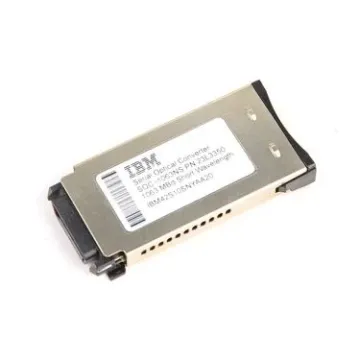
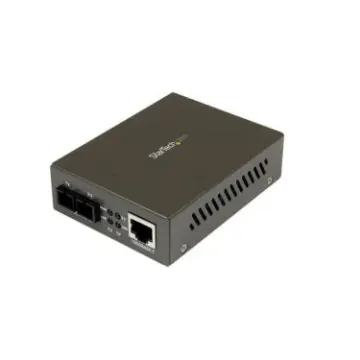
On the other hand, the StarTech media converter is considered to be versatile. It supports an extensive variety of applications and special configurations, supporting a variety of connectors (ST, SC, LC) and SFP deployments.

The TP-Link media converter and D-Link media converter are also effective and cost-efficient in the case of small to medium-sized enterprises. They tend to be unmanaged, allowing them to be deployed without affecting performance. They are cost-effective and convenient methods of extending simple network solutions without complex configurations.

Single-Mode vs. Multi-Mode Conversion

Single-mode or multi-mode fiber can be used with media converters. Multi-mode fiber can be used in short-range applications, such as in a building or a campus, where there is a requirement for high speed and low cost. Long-distance connections are provided by single-mode fiber, as in the case of connecting sites over long distances.

The inappropriate converter can result in total loss of signal, which is normally indicated by the absence of the signal light. To be as flexible as possible, choose a converter that has an empty SFP and place the Transceiver. This will be compatible with the type of fiber and will allow upgrading the unit without necessarily changing the whole unit.

Frequently Asked Questions (FAQs)

Can I mix speeds (10/100 and Gigabit)?
In most cases, no. Media converters do not provide automatic speed negotiation between fiber links. When one side has Gigabit speed, the other side should be the same. The lack of compatibility in the speeds will lead to a failure in communication or no connection detected.

Do media converters introduce lag (latency)?
The latency of a media converter is very small, in nanoseconds. This latency is virtually invisible and does not affect applications such as VoIP calls, HD video streaming, or online gaming performance.

What is a "WDM" converter?
A WDM (Wavelength Division Multiplexing) converter enables two-way communication through a single strand of fiber by having two light wavelengths. This is an efficient way of doubling fiber usage minimizing infrastructure spending, and maximizes available bandwidth.

Why Buy From BulkDevices?

BulkDevices has a wide range of media converters, including hard-to-find connectors like ST and FC, as well as ruggedized outdoor models. Thanks to quick shipping and in-stock products, it helps keep downtime to a minimum when adding to or repairing a network in an emergency, making it a reliable source.