
- Fast & Tracked US Shipping On All Full Systems
- Cheapest Worldwide Delivery Rates Anywhere
- Sign in
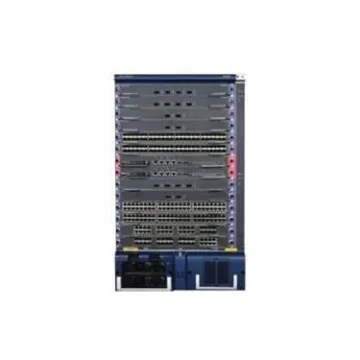
Buy Ethernet Network Switch Hardware for High-Speed Data
BulkDevices offers buy Ethernet network switch solutions to construct a robust, high-performance LAN infrastructure that is tailored to suit the current business requirements. These systems are available as part of our networking devices line, which is the workhorse of data communication, being used to deliver packets across endpoints smoothly. An Ethernet network switch can easily manage traffic, be it Fast Ethernet based on small office traffic or 10-Gigabit capability based on enterprise workload. The inventory is designed to remove bottlenecks, encourage latency, and enable scalable deployments to meet the growing network needs in commercial, industrial, and data center scenarios.
Layer 2 Network Switch vs. Layer 3 Routing
Switching architecture will start with the OSI model. A layer 2 network switch is a network switch that functions at the Data Link layer. This is a hardware-based decision-making that guarantees low latency and high-speed operation within a single broadcast domain and is therefore suitable in simple LAN setups.Conversely, a layer 3 network switch operates on the Network layer, whereby IP addresses are used to direct traffic between subnets. This is critical in segmenting networks into VLANs, enhancing security, and maximizing the traffic flow within bigger structures. Where Layer 2 switching is concerned with speed and simplicity, Layer 3 brings in intelligent switching, which allows organizations to scale effectively without losing control of network segmentation and performance optimization.
Selection Guide: Managed Network Switch Features
The visibility and control that network administrators need in order to assure the same level of performance dictate the choice of features during the deployment of switching hardware. A managed network switch is more than a simple connectivity tool in that it allows advanced configuration features.- Traffic Prioritization (QoS): Quality of Service mechanisms can be used to guarantee that latency-sensitive applications like VoIP calls and real-time video conferencing are given priority bandwidth allocation so that there is clarity and jitter is avoided during peak network usage periods.
- Security (ACLs): Access Control Lists allow administrators to establish rigid traffic policies, denying unauthorized devices access to the network and restricting access to valuable resources, contributing much to network security posture in the enterprise and multi-user context.
- Redundancy (STP): Spanning Tree Protocol prevents network loops by intelligently disabling redundant paths while maintaining backup links, ensuring uninterrupted connectivity and rapid failover in case of hardware or link failures.
Top Manufacturers: Cisco, Aruba, HP, Juniper, and Dell
Enterprise networking requires manufacturers that are trusted and have engineering-proven standards. Cisco Ethernet switch models (especially the Catalyst series) are currently well known as high-end offerings aimed at certified engineers who need a fine-grained configuration, high analytics, and enterprise reliability.Juniper Ethernet switch platforms have a reputation for high throughput performance, and they are commonly used in the networks of service providers where speed, automation, and scalability are essential. They can withstand heavy data loads in a strenuous environment.
The Aruba network switch systems supported by HP are oriented towards the current campus networking. Together with the HP Ethernet switch product line, they are mobile-first design leaders, providing non-stop integration with wireless infrastructure and centralized hybrid environment management tools.
Dell managed switch products are unique in the open networking nature that enables them to be compatible with various operating systems. This is what makes them ideal in those organizations that want customizable and cost-effective solutions without having to lose performance or interoperability.
Frequently Asked Questions (FAQs)
What is the difference between SFP and RJ45 ports?RJ45 ports use standard copper Ethernet cables and are suitable for short-distance connections within offices or server rooms. SFP ports, on the other hand, support fiber optic modules for long-distance, high-speed uplinks. You can expand flexibility by using compatible switch modules to match your network requirements.
Do I need a Gigabit switch?
Yes, Gigabit switching is now the baseline for modern networks. With increasing file sizes, cloud applications, and high-speed internet connections, a 1000Mbps switch ensures smooth data transfer without bottlenecks, maintaining productivity across business operations and connected devices.
What is "Stacking"?
Stacking allows multiple physical switches to operate as a single logical unit. This simplifies management, improves scalability, and enhances redundancy. Administrators can configure and monitor the entire stack as one system, reducing complexity while maintaining high availability in growing network environments.
Why Buy From BulkDevices?
BulkDevices delivers enterprise-grade networking hardware with global shipping, competitive bulk pricing, and dedicated technical support. Whether you are upgrading a data center or expanding office infrastructure, our solutions are designed for performance, scalability, and long-term reliability across demanding network environments.